
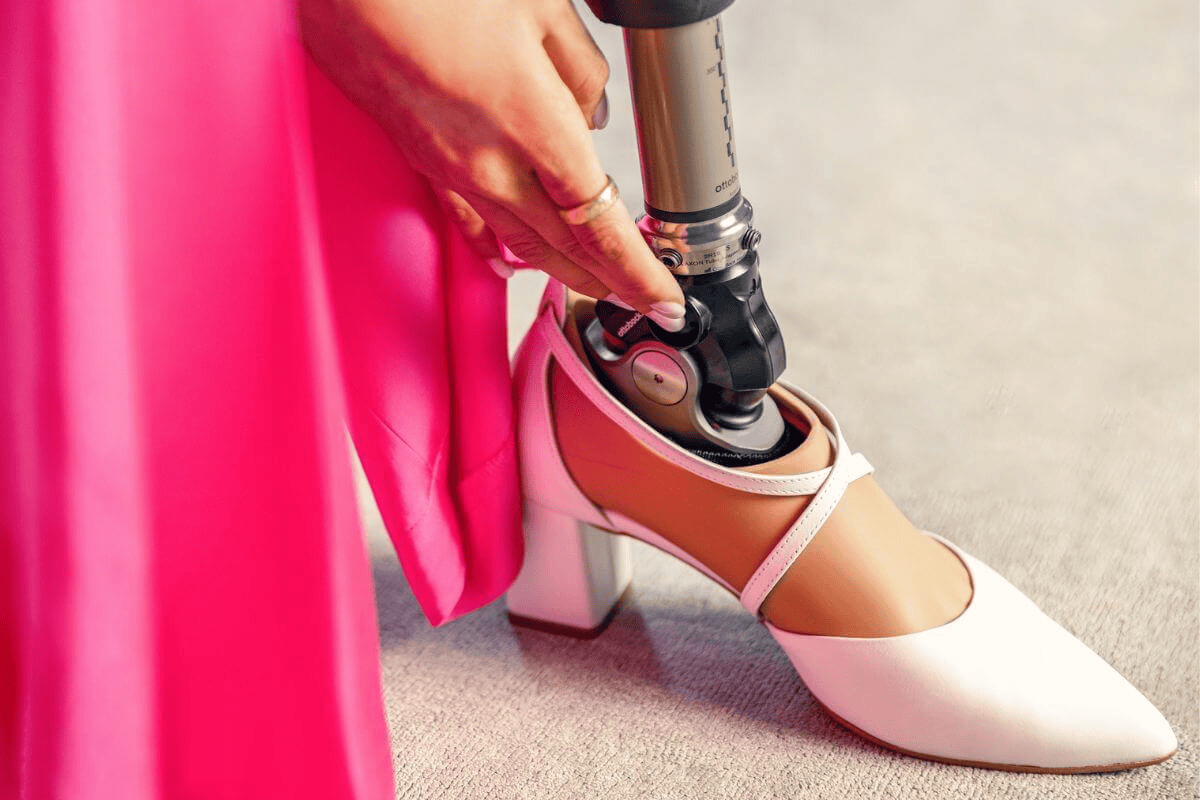
Prosthetic feet have come a long way in design and technology, significantly enhancing mobility and quality of life for individuals with lower limb amputations. Choosing the right prosthetic foot is crucial, as it can impact everything from walking patterns to comfort and activity levels. In this blog, we'll explore the various types of prosthetic feet available, their unique features, and considerations for selecting the best option.
With the help of your prosthetist, they will help determine which prosthetic foot will be best for you to get back to your activities of daily living.
SACH Foot (Solid Ankle Cushion Heel)
The SACH foot is one of the most basic and widely used types of prosthetic feet. It features a solid ankle design and a cushioned heel that compresses upon contact with the ground, simulating the natural heel strike during walking.
Durability: Made from sturdy materials, SACH feet are built to withstand everyday wear and tear, making them a reliable choice for daily use.
Simple Mechanics: Offers a single-axis motion that mimics the natural motion of the foot during walking. The straightforward design means fewer components that could require maintenance.
Best For: Individuals with lower activity levels who need a dependable, low-maintenance prosthetic foot for everyday walking.
Single-Axis Feet
Single-axis prosthetic feet offer a step up from the SACH foot by providing more flexibility at the ankle joint. This additional range of motion allows for a smoother gait cycle, particularly during the transition from heel strike to toe-off.
Improved Flexibility: The hinged ankle joint allows for greater dorsiflexion and plantarflexion compared to SACH feet.
Stability: Provides good stability on flat surfaces while offering more natural movement than a rigid design.
Best For: Moderately active individuals who require more flexibility than a SACH foot offers but may not need the complexity of multi-axis feet.
Multi-Axis Feet
Multi-axis prosthetic feet provide the most movement options among traditional prosthetic foot designs, allowing for natural foot motion during a wide variety of activities.
Enhanced Adaptability: Can move in multiple directions — including inversion, eversion, and rotation — accommodating uneven surfaces like trails, grass, and slopes.
Shock Absorption: Designed to absorb impact from various angles, reducing stress on the residual limb and improving overall comfort during walking.
Terrain Versatility: Excellent for navigating real-world environments where the ground isn't always flat and predictable.
Best For: Individuals who lead active lifestyles and need a foot that can adapt to different terrains and activities.
Energy-Storing Feet
Energy-storing prosthetic feet represent the cutting edge of prosthetic foot technology. They are designed to absorb and release energy during walking, closely mimicking the natural gait of a human foot.
Carbon Fiber Construction: Many energy-storing feet utilize lightweight and durable carbon fiber to enhance performance. This material provides excellent energy return while keeping the foot light.
Propulsion: These feet store energy as the foot compresses during the stance phase and release it during push-off, providing a spring-like effect that propels the user forward.
Natural Gait: The energy return mechanism helps create a more natural and efficient walking pattern, reducing fatigue over long distances.
Best For: High-activity users, athletes, and individuals who want the most natural and efficient walking experience possible.
Choosing the Right Prosthetic Foot
Selecting the right prosthetic foot is a decision that should be made in close consultation with your prosthetist. Several factors come into play:
Activity Level: Your daily activities and goals play a major role. A less active individual may do well with a SACH foot, while someone who enjoys hiking or sports may benefit from a multi-axis or energy-storing design.
Lifestyle: Consider the environments you navigate most often — flat indoor surfaces, outdoor terrain, or a mix of both.
Comfort and Fit: Every person's residual limb is different. Your prosthetist will ensure the foot works harmoniously with your socket and alignment for maximum comfort.
Goals: Whether you're focused on returning to work, getting back to a favorite hobby, or simply walking more comfortably, your goals will guide the selection process.
Conclusion
With the right prosthetic foot, individuals can regain independence and enjoy their daily activities with greater comfort and confidence. The advances in prosthetic foot technology mean there are more options than ever before, each designed to meet different needs and lifestyles.
If you're considering a prosthetic foot or looking to upgrade your current device, our team at Rebound Orthotics & Prosthetics is here to help. Learn more about our prosthetics services and schedule a consultation with one of our certified prosthetists today.