
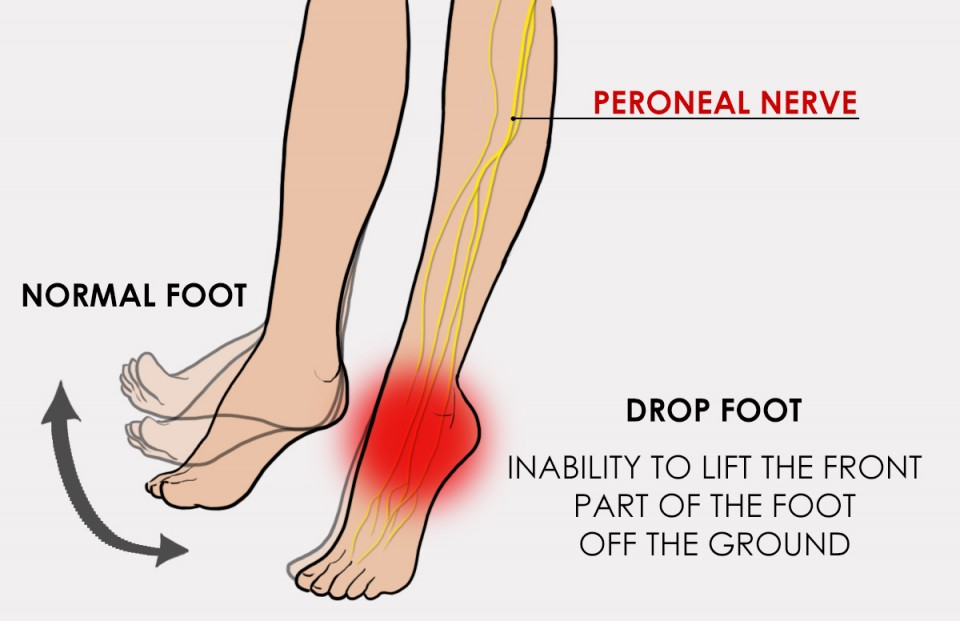
Foot drop, also known as drop foot, is a condition that affects the ability to lift the front part of the foot. This can lead to difficulties in walking, increased risk of tripping, and overall mobility challenges. In this blog, we'll explore the causes, symptoms, diagnosis, and treatment options for foot drop, providing a comprehensive overview for those affected and their caregivers.
What is Foot Drop?
Foot drop is characterized by weakness or paralysis of the muscles involved in dorsiflexion — the action of raising the foot at the ankle. As a result, individuals with foot drop may find it difficult to lift their foot when walking, leading to a characteristic gait where the foot drags or slaps on the ground. This condition can affect one or both feet and can significantly impact daily activities and quality of life.
Causes of Foot Drop
Nerve Injuries: The most common cause of foot drop is injury to the peroneal nerve, which controls the muscles that lift the foot. This nerve runs near the surface of the skin on the side of the knee, making it vulnerable to injury from trauma, surgery, or prolonged pressure (such as crossing legs for extended periods).
Muscle Disorders: Conditions that cause progressive muscle weakness, such as muscular dystrophy, can lead to foot drop over time as the muscles responsible for lifting the foot deteriorate.
Neurological Conditions: Stroke, multiple sclerosis (MS), and other neurological disorders can damage the nerves or brain pathways that control foot movement, resulting in foot drop.
Diabetes-Related Nerve Damage: Diabetic neuropathy can damage the peripheral nerves, including those that control foot movement, making foot drop more common among people with diabetes.
Spinal Cord Injuries: Damage to the spinal cord or nerve roots in the lower back can interrupt the signals between the brain and the muscles that lift the foot.
Symptoms of Foot Drop
Difficulty lifting the front of the foot: The hallmark symptom — inability to raise the toes and forefoot off the ground
Foot slapping during walking: The foot may slap down uncontrollably with each step
Dragging toes: The toes may scrape or drag along the ground while walking
Compensatory gait changes: Many people unconsciously adapt by lifting their knee higher than normal (called a "steppage gait") to clear the foot from the ground
Numbness or tingling: Some individuals may experience numbness on the top of the foot or along the shin
Diagnosis
If you suspect foot drop, it's important to see a healthcare professional for a thorough evaluation. Diagnosis typically involves:
Physical Examination: Your doctor will assess your ability to lift your foot, walk, and perform other movements to determine the extent of weakness.
Nerve Conduction Studies: These tests measure how well electrical signals travel through the nerves in your leg, helping identify the location and severity of nerve damage.
Electromyography (EMG): EMG measures the electrical activity in your muscles, helping determine whether the problem is in the muscles or the nerves.
Imaging: MRI or CT scans may be used to identify structural causes such as tumors, herniated discs, or other conditions pressing on the nerve.
Treatment Options
Ankle-Foot Orthoses (AFOs): A custom-fitted AFO is one of the most common and effective treatments for foot drop. These lightweight braces fit inside your shoe and support the foot in a proper position, preventing it from dragging and allowing for a more natural walking pattern.
Physical Therapy: A physical therapist can design exercises to strengthen the muscles in your lower leg, improve your range of motion, and help you adapt your gait. Stretching exercises can also prevent stiffness in the calf muscles.
Nerve Stimulation: Electrical nerve stimulation devices can help activate the muscles that lift the foot, improving walking ability for some individuals.
Surgery: In severe cases where nerve damage is significant, surgical options may include nerve repair, nerve grafting, or tendon transfer procedures to restore foot function.
How Rebound O&P Can Help
At Rebound Orthotics & Prosthetics, we specialize in custom AFO bracing designed to help individuals with foot drop regain their mobility and confidence. Our certified orthotists will work with you to create a custom-fitted device that provides the right level of support for your specific needs.
Whether you're dealing with foot drop from a nerve injury, stroke, or another condition, we're here to help you take the next step.
Learn more about our orthotics services or explore our AFO device page for details on the custom bracing solutions we provide.